EN pharmadiet01

Complementary feeds that contribute to the internal health of pets

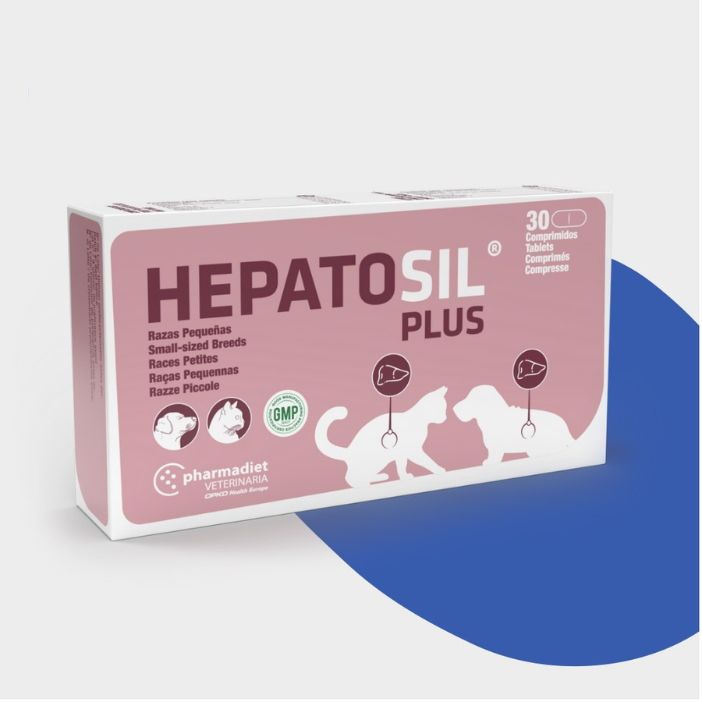
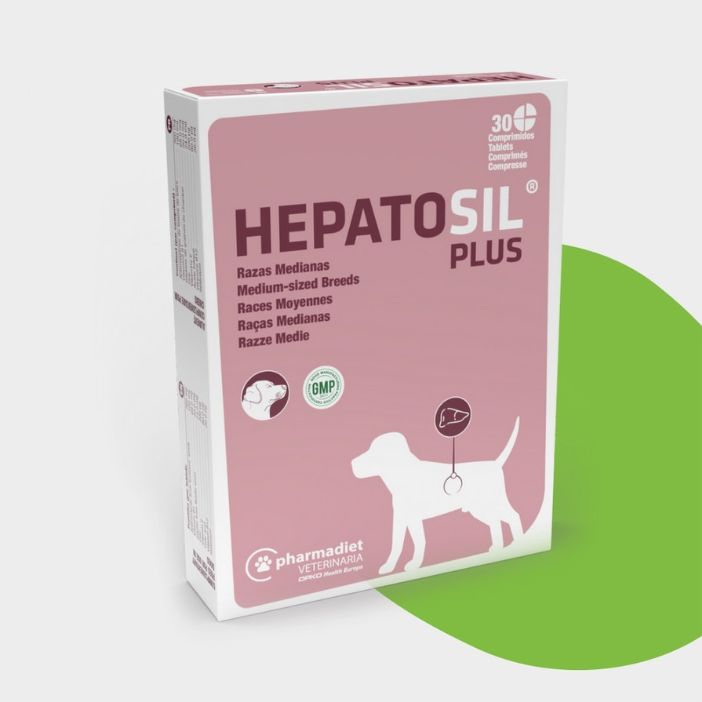
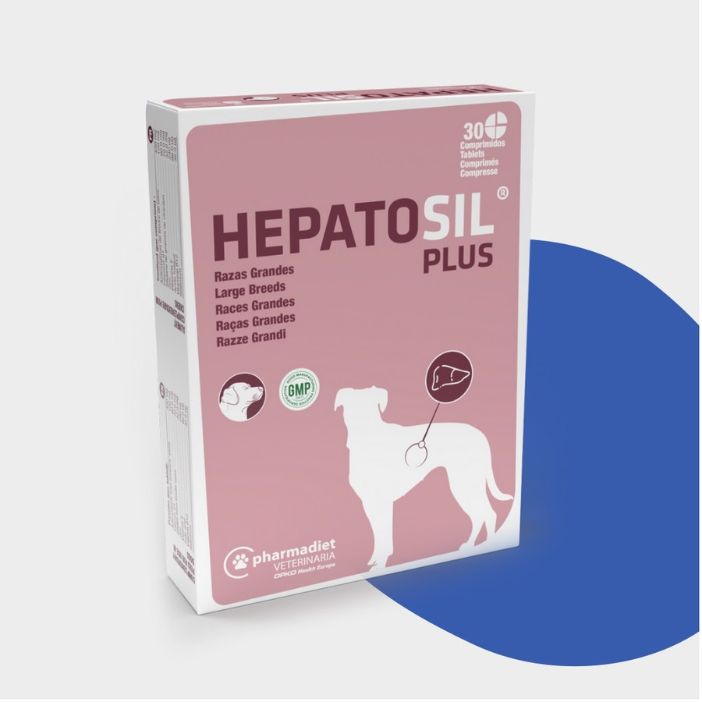
These complementary feeds contribute to the maintenance of pets’ internal function, composed of nutrients that support their proper functioning, helping to prevent internal function dysfunctions, such as liver problems in dogs, cats, and other pets.

No se han encontrado productos para esta consulta.

What do these complementary feeds contribute to the internal function of companion animals?

The liver of companion animals is one of the vital organs that performs multiple functions, including the metabolism and storage of nutrients, as well as detoxification of substances.

The quality of life of companion animals may be compromised if this organ does not function properly.

The nutrients in complementary feeds have been selected to help cells and care for the normal functioning of pets’ internal systems.

About the internal health of pets

In the event of liver damage, the quality of life and well-being of the companion animal are compromised. Therefore, in the event of any behavioral changes in the pet (loss of appetite, irritability) or physiological changes (more presence of fluids in the abdomen or blood in the urine), it is advisable to consult a veterinary professional.

Chronic hepatitis is one of the most common liver diseases, characterized by inflammation of the liver.

Chronic hepatitis should not be confused with infectious hepatitis caused by canine adenovirus type CAV-1, which is currently greatly reduced thanks to vaccination in dogs. Chronic hepatitis can be caused by different factors such as ingestion of toxins, secondary bacterial disease, or consumption of fatty foods.

Although initially manifested by mild symptoms such as yellowing of the skin and mucous membranes, dizziness, vomiting, or mild diarrhea, increased urination, it can escalate to cause impairment of brain function as a result of inadequate removal of toxins in the blood.

The veterinary professional will determine the causes, perform a diagnosis (blood analysis, radiography, ultrasound, etc.), and propose a treatment to alleviate symptoms and restore the animal’s health.

Colangiohepatitis neutrofílica. Tipo de hepatitis presente en felinos que suele producirse junto a una enfermedad inflamatoria intestinal y de páncreas. • Conlagitis linfocítica. Inflamación de los productos biliares dentro del hígado. Suele categorizarse como una anormalidad del sistema inmune. • Lipidosis hepática felina. También llamada “enfermedad del hígado graso”, se produce por la infiltración de grasa en el hígado. Puede ir acompañada de una mala coagulación de la sangre. Mayor riesgo en gatos con sobrepeso. • Tumores y cáncer de hígado. Pueden ser primarios o consecuencia de la metástasis. • Amiloidosis. Acumulación de la proteína amiloide causando la ruptura hepática y una posible hemorragia.

In addition to canine hepatitis, one of the most common liver problems in dogs, the following stand out:


Congenital portosystemic shunt. A birth defect that causes blood to bypass the liver, leading to toxin accumulation.


Heartworm disease or canine heartworm. In addition to liver damage, it causes severe lung disease and heart failure.


Liver tumors and cancer. They can be primary or a result of metastasis. Sometimes hepatic neoplasia occurs, a type of cancer.

The first step in the event of inflammation or any other liver problem in cats or dogs is to consider changes in diet. Fats will be reduced, water intake increased, and low-phosphorus and calcium feeds consumed.

The veterinarian is the only professional responsible for creating and customizing a special diet for pets that come to their clinic.

From Pharmadiet Veterinary, we remind you that the veterinarian should be the main point of contact for a problem in the liver of dogs and cats. This expert will establish personalized treatment and care.

Nutraceutical Solutions According to the Needs of the Pet

Latest post on the blog

Scroll to Top